

Leeds researchers identify blood test that could predict future heart disease risk

University of Leeds researchers have developed a blood test that could help identify people at increased risk of cardiovascular disease and diabetes years before they become seriously unwell
The research, led by the University of Leeds and funded by the British Heart Foundation alongside the NIHR Biomedical Research Centre (BRC): Leeds, found that one in five people living with overweight and signs of “unhealthy fat” could experience a heart attack within the next decade. The findings are being presented at the annual conference of the British Cardiovascular Society.
The study highlights the potential for a simple blood test to identify people whose fat tissue is functioning abnormally, allowing clinicians to intervene earlier and target treatments more effectively.
Looking beyond BMI
Body Mass Index (BMI) is commonly used to assess whether someone is a healthy weight, but researchers believe it only tells part of the story.
The team analysed blood samples from nearly 22,000 participants in the UK Biobank study who were living with overweight. They examined levels of 12 proteins linked to unhealthy fat tissue and found that individuals with abnormal levels of at least 10 of these proteins were significantly more likely to develop cardiovascular disease and diabetes.
Among those with the highest protein scores:
-
20% experienced a heart attack within the following decade
-
10% developed heart failure
-
12% were diagnosed with atrial fibrillation
-
23% developed diabetes
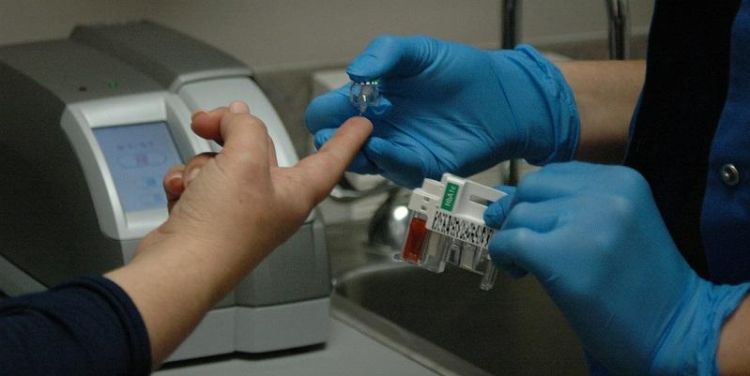
Researchers hope the findings could lead to a blood test being used in primary care within the next five years to help identify people most at risk.
Dr Oliver Brown, who led the research at the University of Leeds, said:
“We found that some people living with overweight already have fat tissue showing signs of stress. If we can look for this unhealthy fat with a simple blood test, that may help identify high-risk individuals earlier who may benefit from being prescribed weight-loss drugs before they suffer a major medical event.”
A step towards more personalised care
The research suggests that understanding how fat behaves in the body may be just as important as measuring how much fat a person has.
Researchers discovered that unhealthy fat tissue may contribute to both cardiovascular disease and diabetes through processes linked to inflammation and abnormal gene activity. They also found evidence suggesting that people living with overweight may represent a critical window for intervention before more serious health conditions develop.
While further research is needed, the findings could eventually help healthcare professionals identify patients who would benefit most from preventative treatments, including weight-management interventions and medicines.


